home > health benefits > vitamins and nutrition

Montmorency Tart Cherries: Naturally Packed with Vitamins, Minerals, and Phytonutrients
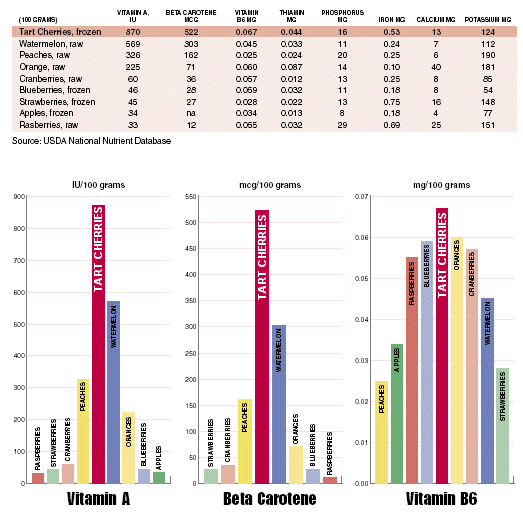
Tart cherries have 19 times as much vitamin A and beta carotene as strawberries and blueberries!
By Dr. Alice Jo Rainville
Tart cherries are a healthy whole fruit that is high in fiber, potassium, beta carotene, and antioxidants. One-quarter cup of dried cherries has 15% of the RDA for fiber. Many research studies have found that diets low in saturated fat and cholesterol and high in fiber are associated with a reduced risk of certain cancers, diabetes, digestive disorders, and heart disease. Cherries also contain potassium, calcium, iron, magnesium, vitamins A, C, B6, E, and folic acid. Tart cherries have virtually no fat and no sodium. This variety of nutrients in tart cherries translates into good nutrition. In fact, the nutrient profile of cherries is hard to beat.
Nutrient Profile
Frozen tart cherries are higher in vitamin A, beta carotene, thiamin, and phosphorus than frozen strawberries, blueberries, and apples; and higher in iron and potassium than frozen blueberries and apples. Vitamin A plays an important role in vision, bone growth, reproduction, cell division and cell differentiation. The vitamin A and beta carotene values are astounding — tart cherries have 19 times as much vitamin A and beta carotene as strawberries and blueberries!
(See comparisons below.)
Dietary Guidelines for Americans
The recently released science-based Dietary Guidelines for Americans recommend two cups of fruit per day for a reference 2000 calorie intake; consumption of a variety of nutrient-dense foods; consumption of fiber-rich fruits often; and consumption of potassium-rich foods. Cherries and cherry products are natural foods that fit perfectly with all of the above recommendations.
The new Dietary Guidelines have an increased focus on fruit and vegetables because research has shown that fruit and vegetable consumption decreases risk of stroke and other chronic diseases such as cancer and heart disease. Most Americans are not eating enough fruit. According the U. S. Department of Agriculture’s Continuing Survey of Food Intakes by Individuals, 48% of the population consumes less than one serving of fruit per day and only 24% consumes the recommended number of servings based on caloric intake.
Phytonutrients
Cherries are an important source of phytonutrients. These are organic components of plants that promote health. Carotenoids, one class of phytonutrients, are the red, orange, and yellow pigments in fruits and vegetables. Beta carotene, the carotenoid abundant in cherries, is more effi ciently converted to retinol than other carotenoids; retinol is one of the most usable forms of vitamin A. Research studies have shown that caroten oids protect against cancer, heart disease, and age related macular degeneration.
Cherries are also a source of the flavonoid, cyanidin, included in the anthocyanidins subclass in the polyphenolic class of phytonutrients. More research on phytonutrients is underway and it is hypothesized that phytonutrients may serve as antioxidants, enhance immune response, enhance cell-to-cell communication, convert to vitamin A, and repair DNA damage caused by smoking and other toxic exposures.
Summary
There are so many reasons to include nutritious tart cherries as an important part of a healthy diet. Dried tart cherries are delicious on their own or in cereals, trail mix, granola bars, energy bars and salads. Frozen and canned tart cherries can be used in baking, salsas, preserves and fruit smoothies. Cherry juice concentrate adds flavor, color and balance to any all-natural beverage. These days many people are looking for whole health solutions that make them feel better and help prevent disease. Discover the nutrition, versatility, and great taste in all forms of Montmorency tart cherries.
Selected Nutrients in Tart Cherries Compared to Other Fruits
article courtesy of the Cherry Marketing Institute
|






 Cherry Products